
Addiction is complicated, but valid prescriptions, genetics, and dislocation are leading causes. Sometimes all three.
The how and why someone gets addicted to any substance has an endless array of variables. It’s almost unfair to try to pinpoint a single cause. For many, there are three leading causes:
- An addiction forms when a prescription or other ailment gets out of control; or,
- A person’s genetics predisposes them to addiction (particularly with alcohol); or,
- An addiction forms when people seek to address alienation from cultural supports. This is called the addiction-as-dislocation theory.
In most cases, people suffer more than one of these causes.
Out of control prescriptions and opioids
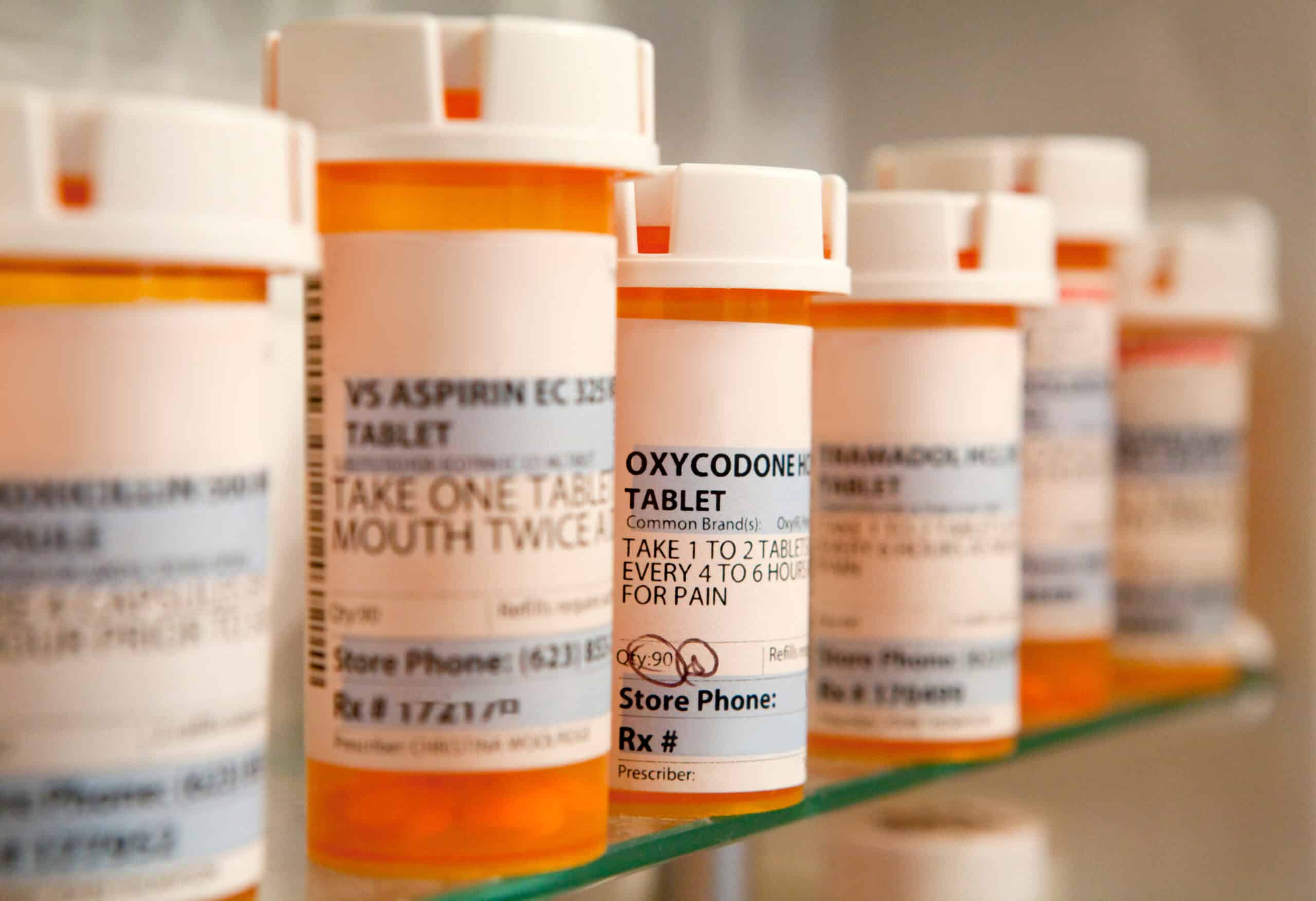
We’ve talked before about the economics of the opioid crisis in North America and specifically how opioids have resulted in amassing hundreds of thousands of addicted patients. No one wants to get addicted to any substance. But for people battling painful diseases, cancer, or recovering from surgery or traumatic injuries like a car wreck, painkillers are an obvious and sometimes necessary prescription. These warranted prescriptions can spiral out of control when doctors continue to prescribe them for prolonged periods, or, when patients “doctor hop” to find someone who will give them a prescription.
In these circumstances, it’s reasonably obvious how a person might become addicted, or feel they need prescription painkillers. For patients with prolonged ailments or diseases, like fibromyalgia or leg or spinal injuries, these painkillers may legitimately be necessary for months or years because no one thinks people should endure pain to avoid a painkiller addiction.
Genetic predisposition to addiction
Genetics plays as much as half the role in who becomes addicted and who doesn’t. Twin and family studies consistently show that roughly half of the risk for developing a substance‑use disorder (SUD) is genetic.
By substance, the numbers are likely surprising to you:
- Alcohol‑use disorder (AUD) – ≈ 50 % heritable
- Nicotine dependence – 40 % – 60 % heritability
- Cannabis use disorder – ~ 45 % – 55 % heritable.
- Cocaine, opiates and other stimulants – estimates range from 0.40 – 0.80, with cocaine often near the top (≈ 0.72)
Genetic influence is modest in early adolescence when peer and family environments dominate. Cultural supports make it more difficult (but not impossible) for kids and teens with involved parents to take drugs without their noticing, for instance. But genetic risks rise sharply in young adulthood and then tapers slightly in later life. Genetically, white men are most at risk.
Addiction-as-dislocation and “cultural supports”
Whether it’s smoking marijuana, taking opioids, or drinking too much beer every day, people do it for one reason: it does something for them. The tragedy is this simultaneously helps them and hurts them by making problems worse, perpetuating a vicious cycle. This is the core of addiction-as-dislocation, where people seek to physically and emotionally dislocate themselves from what sociologists call “cultural supports”.
Cultural supports can include all the things you might think of and a few you might not:
- Family and friends
- School or work
- Church or faith practices
- Collective arts, like music, dance, and craft
- Social groups or clubs
- Shared languages and storytelling traditions (common among Native American and some Latin American traditions)
The father of sociology, French sociologist Émile Durkheim, called this anomie the social condition of a breakdown of norms and values, resulting in an existential lack of connection to meaning and purpose. In short, “normlessness,” though Durkheim never used that word. He used the words “derangement” and “an insatiable will.”
A deadly cocktail combined with modern addiction industries form deaths of despair
Combined with a sense of dislocation and the addictions of addiction supply industries like the former Purdue Pharma, these are likely the core drivers of today’s opioid epidemic and addictions. It is possible a person genetically predisposed to addiction, who also suffers from a debilitating injury or diagnosis, and is also lonely or otherwise stressed or detached from their support systems faces the greatest risks and challenges.
This risk cocktail has formed the basis for what economists and sociologists now term “deaths of despair.” Princeton economists Anna Case and Nobel Prize-winner Angus Deaton discovered these deaths of despair in 2014 among the rising rates of suicides, drug overdoses, and alcoholic liver disease in working-class whites, mostly men. By 2017, deaths of despair numbered more than 150,000 — half the number of all U.S. combat deaths in World War II.
Facing worse jobs or economic prospects, little education or marketable skills, and loosening cultural supports from dwindling employment, church membership, social groups, and increasingly disjointed families does a lot to a person’s character and psyche.
Do gambling and smartphone addictions count as addictions?
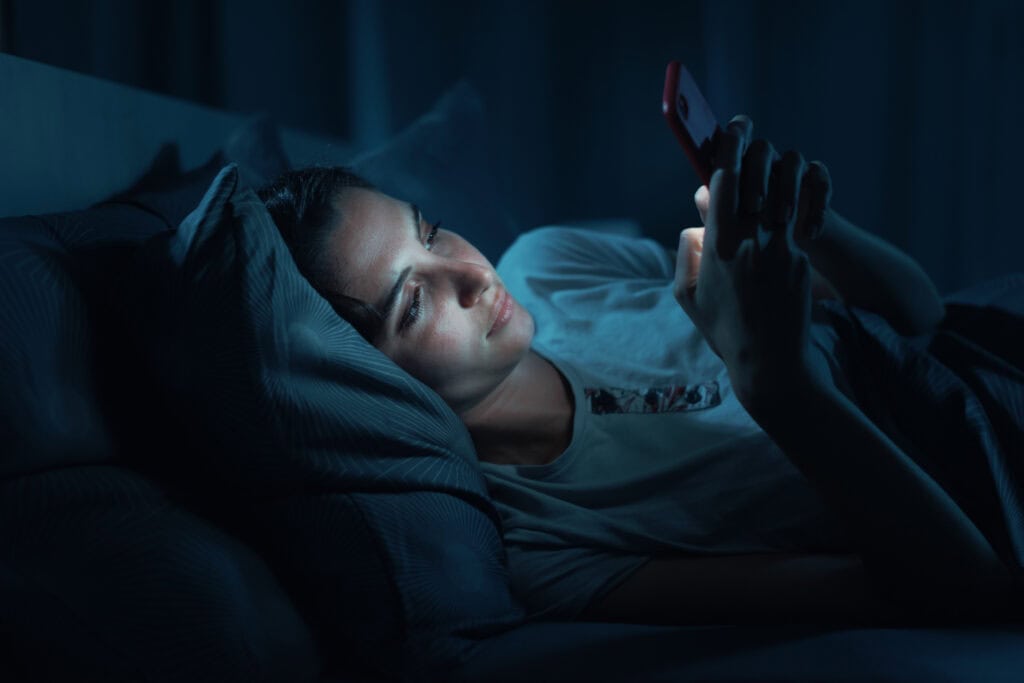
Deaths of despair tend to focus on what we perceive as “severe” addictions, like alcohol and painkillers. But addictions come in many forms and can include gaming, gambling, smoking, sugar, heavy coffee or caffeine intake, hallucinogens, vaping, TV or other passive entertainment, and even smartphones which are just a newer form of passive entertainment.
Looking at TikTok is not nearly as dangerous as excessive alcohol use, but it is a form of addiction. When any activity or substance begins to interfere with everyday life, it counts as a problem, however mild it may seem.
- Choosing to watch Netflix every weekend instead of visiting with friends is a problem
- Not paying attention to traffic or other people because you’re looking at your feed is a problem
- Gambling money you don’t have is a problem
- Vaping, which contains large quantities of nicotine, is an addiction
- Insisting on desserts during the day and after every meal is a form of addiction
Some addictions pose obvious problems for others versus an individual. A sugar addiction impacts only the individual up until it becomes a public health or family issue, like diabetes or early death. Others, like gambling, may risk a child’s home or groceries if a caregiver gambles them away. But all of these form a pattern of dislocation that counts as “doing something a user seeks”, however culturally mild or risky it seems.
